
Manifestor Series from ra uru hu
Purchase is processed securely via Jovian Archive
When you buy through this page, you also support the ongoing creation of deep Human Design resources on IConnectSmart – at no extra cost.
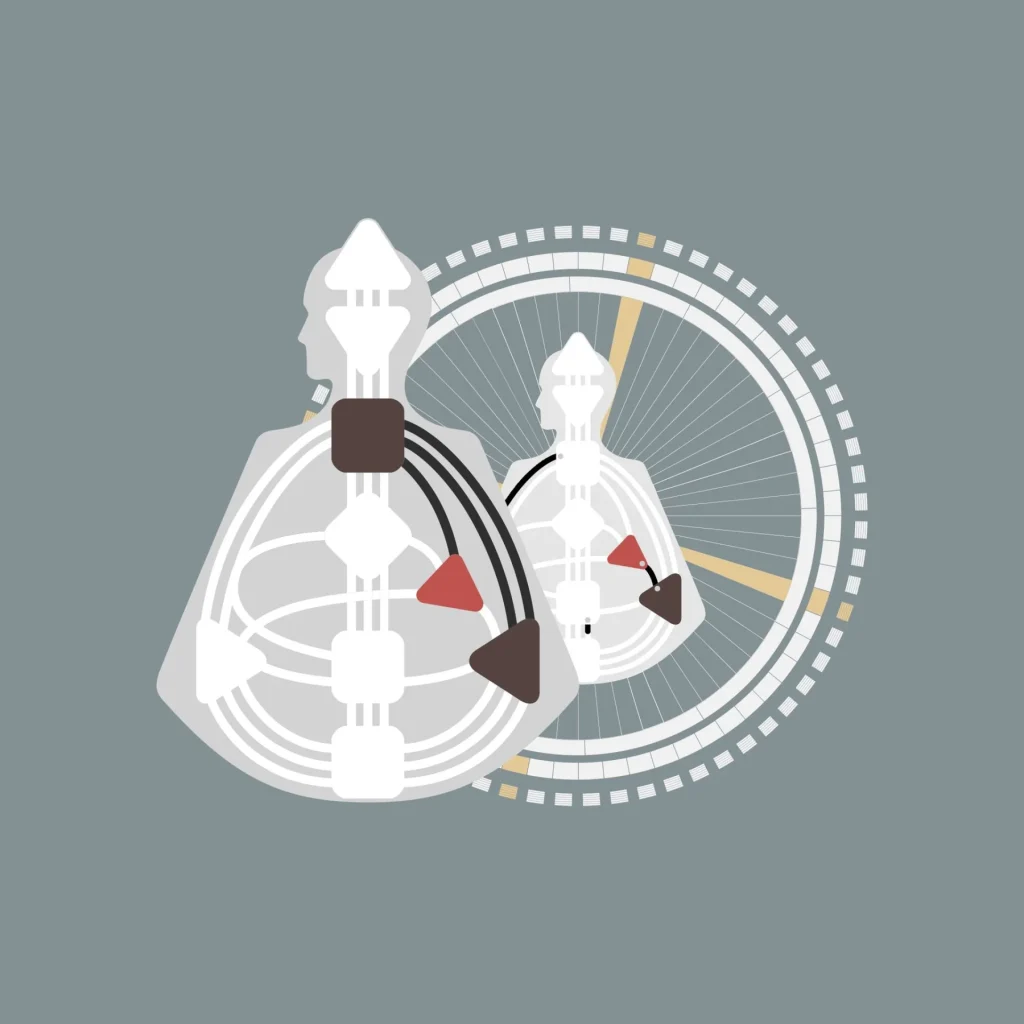
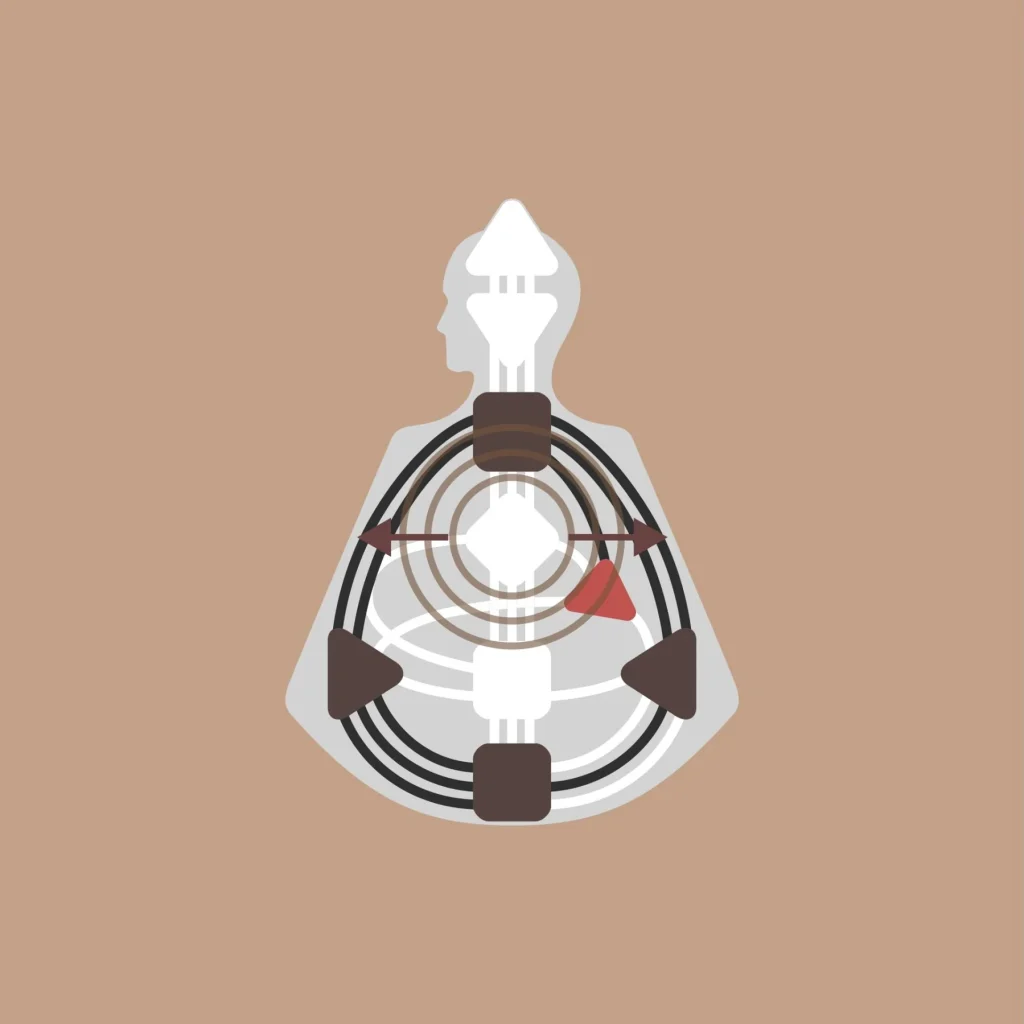
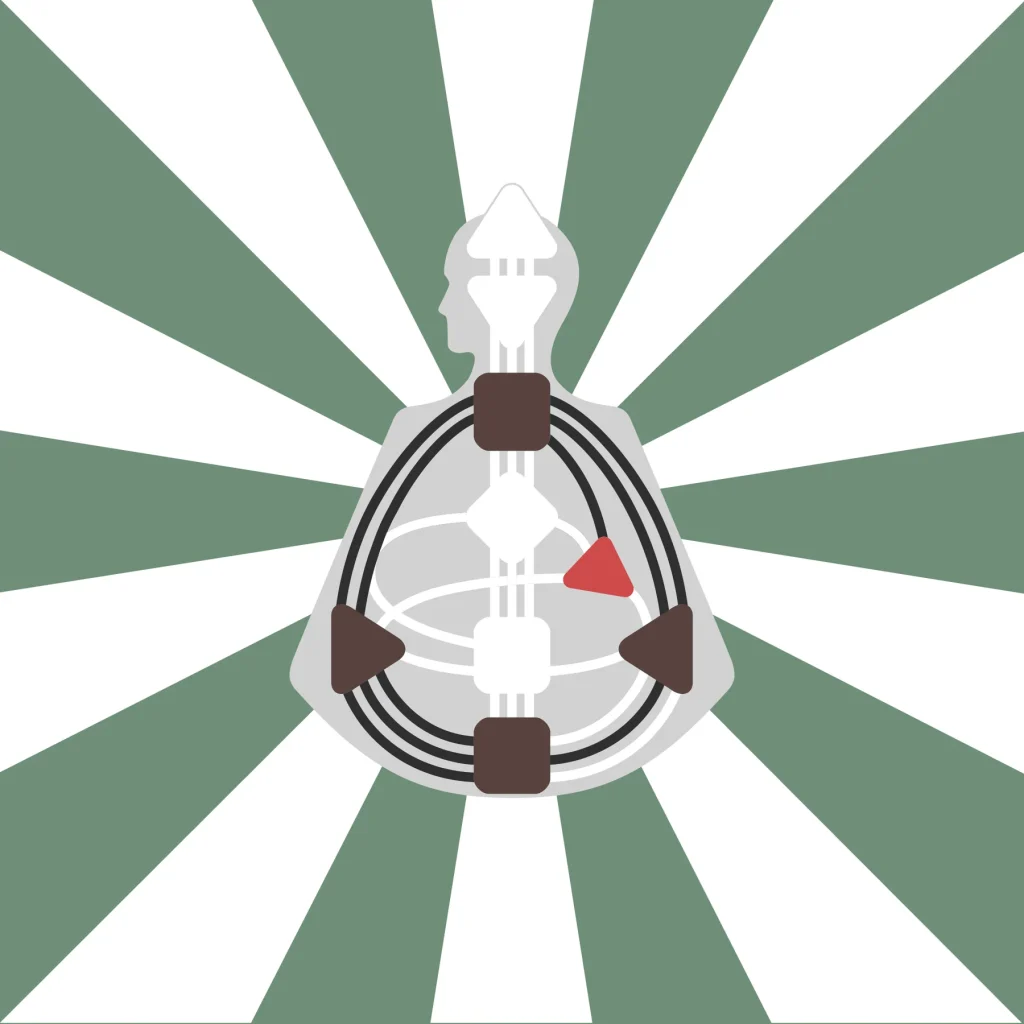
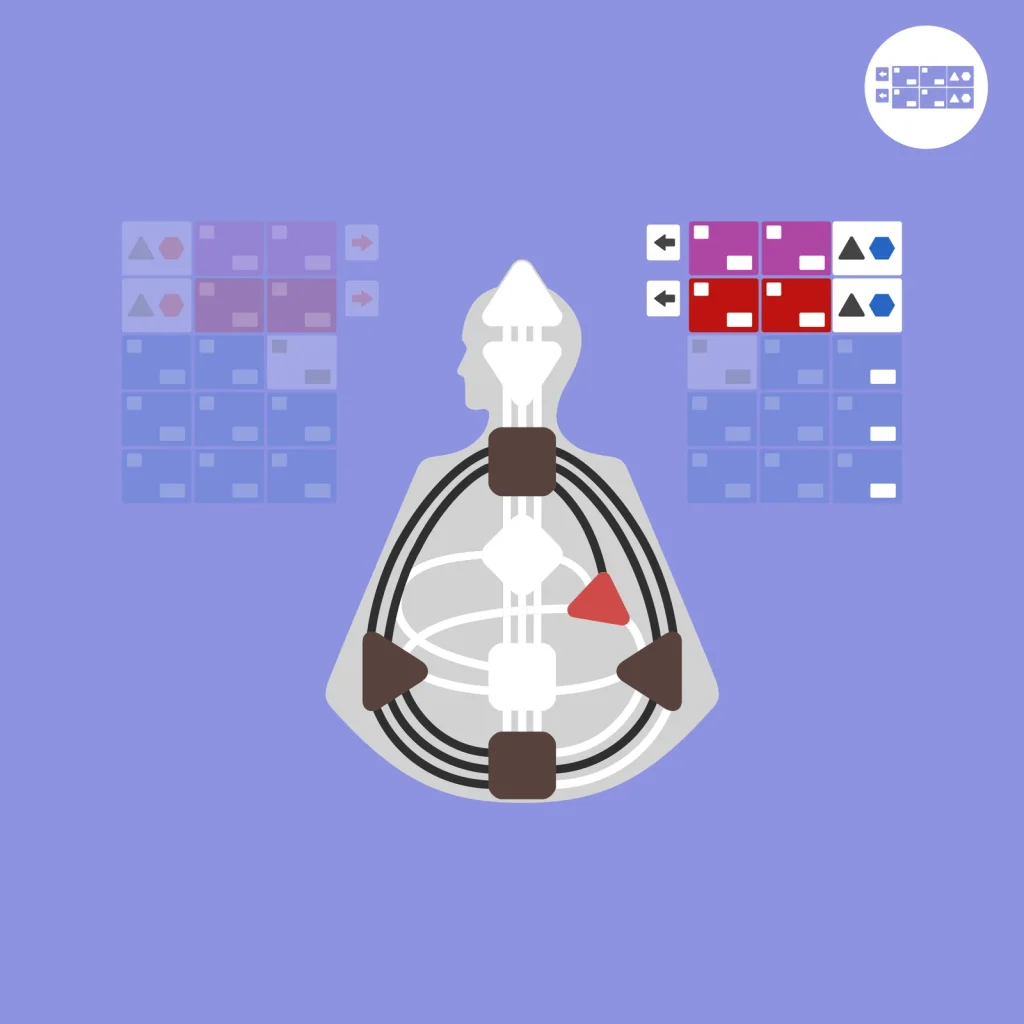
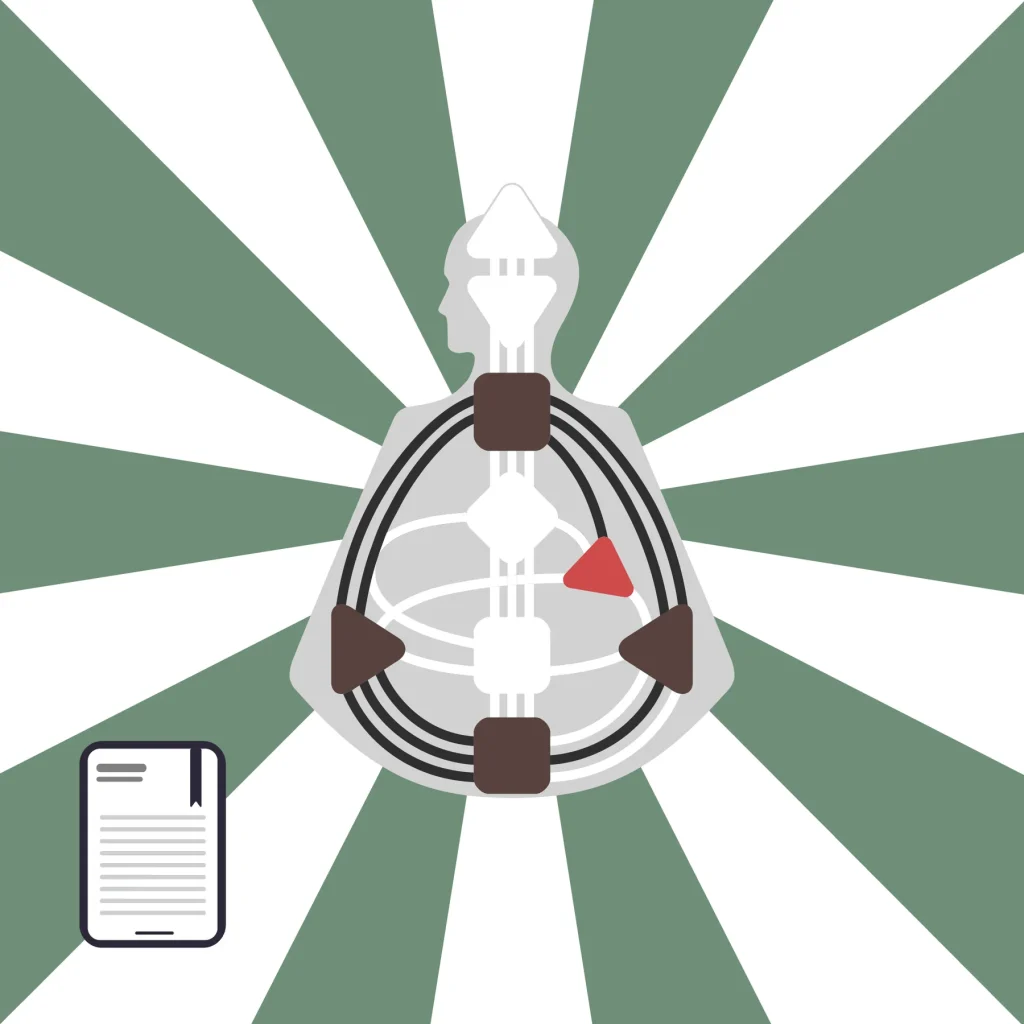
The Manifestor: Initiator of Impact
Footage note – MANIFESTOR – INITIATOR
You’ve probably felt people brace when you walk into a room, even on days you weren’t doing anything at all. You hadn’t said a word. Your presence alone, unannounced, did something to the air that made people quietly straighten up or step back.
And you’ve probably wondered, more than once, what you keep doing to provoke that reaction without meaning to.
The answer is that you’re built to move first, and almost nobody around you is built to expect that.
Start with the mechanics of what makes this design so different from the vast majority of people you’ll ever meet. Most people need something outside themselves, an opportunity, an invitation, or a trigger, before their energy comes online. You don’t.
Something in your build lets you act from your own internal ignition, with no external permission required. That makes you one of a small minority who can simply decide something and move, without waiting for the world to hand you a reason first.
From the outside it feels like this, and understanding it explains almost every strange social reaction you’ve ever gotten. Instead of inviting people in, your energy pushes outward, closed and protective, and it is difficult for anyone to read or get close to. People feel that boundary instinctively, even when they can’t name it.
What they usually do in response is brace. They assume you’re unpredictable, try to manage you, and treat your independence as something that needs containing before it causes a problem.
If people seem to instinctively try to control or resist you, that is what happens when a closed, self-generating presence moves through a world mostly built around open, responsive ones. It says nothing about you doing something wrong. The friction is a mismatch in how different designs read each other.
This independence has a cost, and it is easy to underestimate. Whatever you do carries real weight in the environment around you, whether you meant it to or not, and you’re often the last to know how much impact your movement had. What feels like a small, private decision to you can land as a real shock to everyone standing nearby, simply because they had no warning it was coming.
Informing before you act
This is where the one practice to build your whole life around comes in, and it is easy to misunderstand. Telling people what you’re about to do before you do it is not a request for permission, and it is not a biological requirement built into your design the way waiting for a response is built into someone else’s.
Informing is a deliberate, practical tool: a way of clearing the resistance out of your own path before it has a chance to form.
The mechanism is simple: when people know something is coming, even seconds ahead of time, they don’t brace against it the same way. Skip that step and you’ll likely meet resistance you never needed to encounter, because your action arrived as a surprise to people whose nervous systems read surprise as threat. Say it out loud first, and the same action tends to move through the world with almost no friction at all.
If you’re raising a child built this way, the same principle shows up differently. A child with this design is not yet operating with the full independence of an adult, so the practical version of the practice becomes asking instead of informing.
The child’s autonomy matters just as much. Asking simply helps them navigate a world of adults who are, understandably, trying to keep some order around someone who can act without needing their input first.
When this whole system gets blocked, whether because you skipped the informing or because someone tried to control you directly, a chemical kind of anger shows up. That anger is a physiological signal that your movement has been interfered with.
It doesn’t always look like rage from the outside. Sometimes it turns inward instead, showing up as a flattened passivity, a quiet giving-up of your own power that can look like accommodation but is really anger with nowhere left to go.
If you notice yourself either erupting or going strangely compliant around situations where your movement got blocked, that is the signature signal of this design telling you where the interference happened. It has nothing to do with being difficult, and it is not an emotional problem to fix.
What replaces that anger when the whole system is working correctly is peace, a still quality that surprises people who assume someone built for constant initiation must also be built for constant motion. Peace here means moving through the world with essentially no resistance left to push against, because you cleared the path yourself before you ever needed to force your way through it.
Inner authority, energy and rest
Even with all this independence, something underneath the initiating still needs consulting before any of it is trustworthy, and it helps to know which version applies to you. Some carry an emotional system that needs real time to settle before any decision can be trusted, with no truth available in the heat of the moment, only after the wave has run its course.
Some operate through instant, intuitive recognition, a spontaneous read on safety or rightness that arrives complete in a single moment and doesn’t benefit from being second-guessed. And some discover their own truth only by speaking, unscripted, in real time, listening to what comes out of their own mouth as the source of clarity instead of planning what to say in advance.
Whichever version is yours, independence was never permission to skip this step. Being able to move without external input doesn’t mean moving without internal confirmation first. The initiating capacity is real, and it still needs to be pointed correctly, through whatever your inner authority is.
One trap catches almost everyone with this design at some point, often without them noticing until real damage is done. The deepest conditioning here is pretending to be built like the majority of people around you: waiting to be asked the way they wait, or grinding through sustained labor the way they sustain, when you were never given the steady internal fuel supply that makes that endurance possible for them.
You don’t have a reliable internal signal for when enough is enough, because that signal was never part of your design. Pushing yourself as if it were tends to end in real exhaustion.
This makes rest something to take seriously instead of something to push through as a badge of commitment. Sleeping in a space that is your own, away from someone else’s energy overnight, gives your system real room to reset. And getting into bed before you’re completely drained tends to produce far more recovery than pushing yourself to the point of collapse ever does.
Where in your life have you skipped the informing, and quietly paid for it in resistance you didn’t have to meet? What would it look like to say it out loud first, next time, and watch how much of that resistance simply doesn’t show up?

Asked & Answered
Manifestors are designed to inform and initiate. Their strategy is to inform others before they act, reducing resistance and creating smoother interactions.
When Manifestors feel a sense of peace rather than anger, they are aligned with their true nature. Anger signals resistance from unaligned actions or environments.